
PROTESTANT
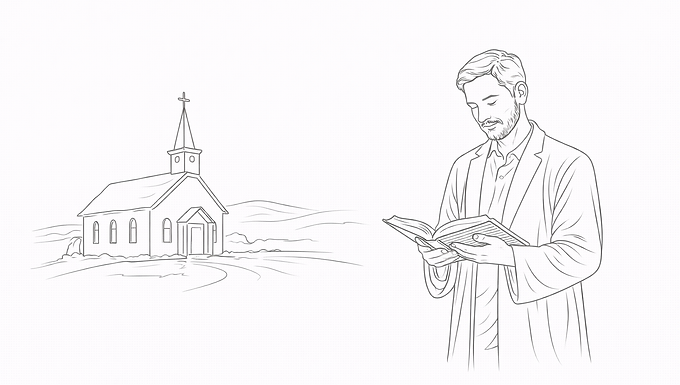
Definition:
The Christian Meaning of “Protestant”
A Protestant is a Christian shaped by the principles of the Reformation, emphasizing Scripture as the ultimate authority, salvation by grace through faith, and the priesthood of all believers.
Protestantism is not a single denomination but a broad movement of churches that emerged from 16th‑century reforms, united by core theological convictions and a renewed focus on the Gospel.
HISTORICAL BACKGROUND
A. Origin
Protest at the Diet of Speyer (1529)
Luther: justification by faith, Scripture alone
Calvin: sovereignty of God, grace, Scripture’s authority
Zwingli: biblical preaching, simple worship
The term “Protestant” began as a declaration of conscience — a stand for biblical truth against enforced conformity.
This truth shows that Protestant identity is rooted in courage, conviction, and fidelity to Scripture.
You can stand firm in truth with the same boldness today.
B. Spread
Spread through Germany, Switzerland, England, Scandinavia
Expanded globally through missionary movements
Includes Lutheran, Reformed, Presbyterian, Methodist, Baptist, Anglican, and more
Protestantism became a global movement shaped by Scripture and mission.
This truth reveals that the Gospel transcends cultures and nations.
You can see yourself as part of a worldwide family of faith.
THEOLOGICAL SIGNIFICANCE
A. Sola Scriptura (Scripture Alone)
Scripture as supreme authority
Final rule for faith, doctrine, and practice
God’s Word above tradition or hierarchy
This truth shows that Scripture anchors the Protestant faith.
You can trust the Bible as God’s authoritative voice.
B. Sola Fide & Sola Gratia
Salvation by faith alone
Grace as God’s free gift
Christ’s work received, not earned
This truth reveals that salvation rests entirely on Christ.
You can rest in God’s grace without fear or striving.
C. Priesthood of All Believers
Direct access to God through Christ
Every believer called to serve and proclaim
No human mediator needed
This truth shows that ministry belongs to all God’s people.
You can serve God meaningfully in your daily life.
D. Worship and Sacraments
Emphasis on preaching and congregational singing
Simple, biblical sacraments (Baptism & Lord’s Supper)
Rejection of non‑biblical rituals
This truth reveals that worship is centered on God’s Word and Christ’s work.
You can worship with clarity, joy, and understanding.
HISTORICAL & CULTURAL IMPACT
A. Religious Freedom
Emphasis on conscience before God
Right to interpret Scripture
Freedom from coercion
This truth shows that Protestantism helped shape modern liberty.
You can honor God by living with integrity and conviction.
B. Education & Literacy
Bible translation into common languages
Encouraged reading and study
Growth of schools and universities
This truth reveals that Scripture fuels learning and wisdom.
You can grow through study of God’s Word and truth.
C. Missionary Movements
Global evangelism
Church planting
Compassion ministries
This truth shows that Protestantism is outward‑focused and missional.
You can join God’s mission wherever you are.
D. Ethical & Social Reform
Work ethic and stewardship
Charity and service
Civic responsibility
This truth reveals that faith transforms society.
You can live out your faith through justice, compassion, and integrity.
PRACTICAL IMPLICATIONS FOR BELIEVERS
Personal Bible study and interpretation
Assurance of salvation through Christ alone
Active service in God’s mission
Participation in worship and community
Moral and spiritual responsibility
This truth shows that Protestant identity shapes daily discipleship.
You can live faithfully by grounding your life in Scripture and grace.
SUMMARY
Protestant is:
A branch of Christianity emerging from the Reformation
Centered on Scripture, grace, faith, and priesthood of believers
Diverse yet united in core convictions
Focused on personal relationship with God
Influential in theology, education, and global mission
Simple Definition
A Protestant is a Christian who embraces Scripture’s authority, salvation by grace through faith, and direct access to God — often within one of many Protestant traditions.
Biblical Imagery & Metaphors
Lamp lighting the path
Stone foundation built on Christ
Branches from the same root
In Daily Faith
Value Scripture as your ultimate authority and live by faith in Christ.
IN DAILY LIFE: LIVING OUT PROTESTANT PRINCIPLES
1. Make Scripture Your Daily Guide
Daily Application
Commit to regular Bible reading and meditation “All Scripture is God‑breathed… for teaching, rebuking, correcting and training in righteousness.” — 2 Timothy 3:16–17 (NIV) “Your word is a lamp for my feet, a light on my path.” — Psalm 119:105 (NIV)
Let Scripture shape decisions and priorities
Why This Matters
Scripture reforms the heart and directs the life.
Encouragement
God’s Word lights your path every day.
2. Live by Faith and Grace Alone
Daily Application
Trust Christ fully for salvation “For it is by grace you have been saved, through faith…” — Ephesians 2:8–9 (NIV) “The righteous will live by faith.” — Romans 1:17 (NIV)
Respond to fear or doubt with trust in God’s promises
Why This Matters
Faith frees you from striving for approval.
Encouragement
God’s grace is enough for you.
3. Exercise the Priesthood of All Believers
Daily Application
Pray boldly and serve faithfully “You are a chosen people, a royal priesthood…” — 1 Peter 2:9 (NIV)
Use your gifts to bless others
Why This Matters
Every believer has a calling and ministry.
Encouragement
God works through your everyday faithfulness.
4. Participate Actively in Worship and Community
Daily Application
Engage in congregational worship “Let the message of Christ dwell among you richly… singing psalms, hymns, and songs…” — Colossians 3:16 (NIV)
Join small groups, prayer gatherings, and ministry teams
Why This Matters
Worship is communal, participatory, and formative.
Encouragement
Your presence strengthens the body of Christ.
5. Live a Life of Moral and Spiritual Responsibility
Daily Application
Let Scripture shape ethics and habits “Do not conform to the pattern of this world, but be transformed…” — Romans 12:2 (NIV) “Whatever you do, work at it with all your heart…” — Colossians 3:23 (NIV)
Practice integrity, compassion, and justice
Why This Matters
Faith must be lived, not merely believed.
Encouragement
Your daily choices reflect God’s kingdom.
6. Embrace Lifelong Learning and Spiritual Growth
Daily Application
Study Scripture, theology, and Christian history “Test everything; hold fast what is good.” — 1 Thessalonians 5:21 (NIV) “Grow in the grace and knowledge of our Lord…” — 2 Peter 3:18 (NIV)
Learn from mature believers and teachers
Why This Matters
Growth strengthens faith and deepens wisdom.
Encouragement
God shapes you through learning and reflection.
Daily Faith Practices Inspired by Protestant Principles
Start the day with Scripture and prayer
Reflect on grace and faith throughout the day
Serve others intentionally
Participate actively in worship and fellowship
Make ethical choices shaped by God’s Word
Encouragement: Protestant faith becomes a lifestyle when Scripture and grace guide every part of life.
Summary
Living out Protestant principles means:
Grounding life in Scripture
Trusting salvation by grace through faith
Serving as a royal priest in everyday life
Engaging in worship and community
Growing continually in knowledge and holiness
Scripture References for Daily Application
Romans 1:16–17 (NIV)
Ephesians 2:8–9 (NIV)
2 Timothy 3:16–17 (NIV)
1 Peter 2:9 (NIV)
Psalm 119:105 (NIV)
Colossians 3:16 (NIV)
Romans 12:2 (NIV)
Colossians 3:23 (NIV)