
Fruit of the Spirit
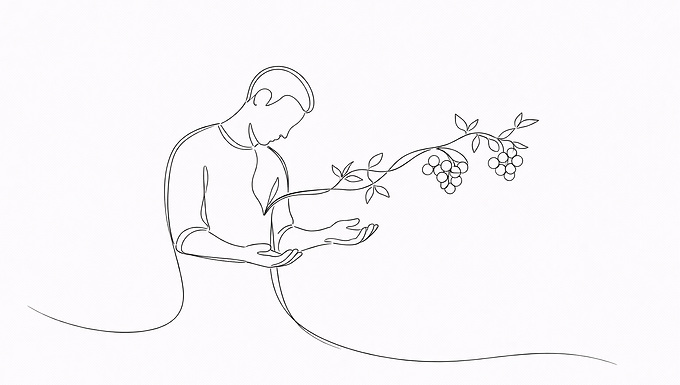
Definition:
1. What “Fruit of the Spirit” Means
The Fruit of the Spirit refers to the character traits that the Holy Spirit produces in a believer’s life when they live in union with Christ.
It comes from Galatians 5:22–23:
“But the fruit of the Spirit is love, joy, peace, patience, kindness, goodness, faithfulness, gentleness, and self-control.”
Christians understand this to mean:
These qualities are evidence of the Spirit’s presence and work.
They are graces — produced by God, not by human effort alone.
They reflect the character of Christ living in the believer.
They grow slowly, organically, and relationally — like fruit from a tree.
“The fruit of the Spirit is the natural product of the Spirit’s life within.”
— Andrew Murray
2. Why “Fruit”? The Metaphor Explained
Paul chooses the metaphor fruit intentionally:
1. Fruit is organic
It grows from within — not glued onto the surface.
“Holiness is not manufactured; it is cultivated.”
— A.W. Tozer
2. Fruit takes time
It grows gradually, not instantly.
3. Fruit reflects the nature of the tree
Apple trees make apples;
Christ’s Spirit produces Christlike character.
“The Spirit makes the Christian not merely do good, but be good.”
— John Stott
3. The Fruit Is Singular — Not Plural
Paul says fruit, not fruits — meaning:
It is one unified character, not nine separate achievements.
All the qualities grow together, fed by the same Spirit.
“The fruit of the Spirit is one bouquet; the graces are blossoms of the same flower.”
— Charles Spurgeon
4. Each Fruit Explained With Theological Insight
1. Love (agape)
The foundational fruit — self-giving, Christlike love.
“Love is the chief sign of the Spirit’s work.”
— Augustine
“Love is the sum of all virtue.”
— John Calvin
2. Joy
Not emotional happiness, but deep spiritual delight rooted in God.
“Joy is not the absence of suffering, but the presence of God.”
— Jürgen Moltmann
“The joy of the Lord is the strength of the Christian life.”
— Billy Graham
3. Peace (shalom)
Wholeness, harmony, the absence of turmoil within the soul.
“Peace is the serenity of heart that comes from resting in God’s sovereignty.”
— R.C. Sproul
“God’s peace is not an escape from life but a conquest of it.”
— Oswald Chambers
4. Patience (makrothumia)
Endurance under difficulty; long-suffering.
“Patience is love enduring.”
— Thomas Aquinas
“We are most like God when we are patient.”
— John Chrysostom
5. Kindness
A disposition of compassion, gentleness, and goodwill.
“Kindness is the overflow of God’s grace in the heart.”
— Max Lucado
“The highest compliment to grace is to show kindness.”
— Gregory of Nyssa
6. Goodness
Moral integrity; choosing what is right.
“Goodness is love in action.”
— Jerry Bridges
“To be good is to seek the good of the other.”
— Dietrich Bonhoeffer
7. Faithfulness (pistis)
Trustworthiness, loyalty, reliability.
“Faithfulness is steady dedication to God and neighbor.”
— C.S. Lewis
“Faithfulness is love keeping its promises.”
— John Piper
8. Gentleness (prautēs)
Humility, meekness, strength under control.
“Gentleness is the grace of the strong.”
— St. Francis de Sales
“Jesus was meek because He trusted His Father.”
— John Owen
9. Self-control (enkrateia)
Mastery over impulses and desires; Spirit-empowered discipline.
“Self-control is the governor of the soul.”
— John Wesley
“He that rules his spirit is greater than he who conquers a city.”
— Proverbs 16:32, often quoted by theologians
5. The Fruit of the Spirit vs. Works of the Flesh
In Galatians 5, Paul contrasts:
the works of the flesh (acts of human nature)
the fruit of the Spirit (results of God’s nature)
“The works of the flesh are what we do; the fruit of the Spirit is what God does in us.”
— Martin Luther
This difference is foundational.
6. How the Fruit Grows — Theological Explanation
1. Union with Christ
Fruit grows because believers are connected to Christ like branches to a vine.
“Apart from Me you can do nothing.”
— Jesus (John 15:5)
2. Walking in the Spirit
Choosing to live responsive to the Spirit’s promptings.
“Walk by the Spirit, and you will not gratify the desires of the flesh.”
— Galatians 5:16
3. Transformation Over Time
Spiritual growth is gradual, like fruit ripening.
“Sanctification is a work of God’s free grace.”
— Westminster Catechism
4. Cooperative Relationship
The Spirit produces the fruit, but believers cooperate by yielding.
“Without Him we cannot; without us He will not.”
— St. Augustine
7. The Fruit Is Primarily About Character, Not Gifts
Spiritual gifts (teaching, prophecy, healing, etc.) can appear suddenly.
Fruit is about character — what we are, not what we do.
“Gifts show what a person does; fruit shows what a person is.”
— Billy Sunday
“It is the fruit, not the gifts, that evidence the Spirit’s sanctifying work.”
— Jonathan Edwards
8. Fruit as the Character of Christ Formed in Us
Ultimately, the fruit of the Spirit is Christ’s own life manifest in believers.
“The fruit of the Spirit is the character of Jesus Christ.”
— John Stott
“The Spirit makes the disciple become the very thing Christ is.”
— Athanasius
9. Voices Across the Christian Tradition
Gregory the Great (6th century)
“The Spirit perfects virtue in us.”
St. Basil the Great
“The Spirit is the artisan of the divine image in us.”
Thomas à Kempis
“The Spirit works secretly within to make the heart fruitful.”
J.I. Packer
“The fruit is the moral beauty which the Spirit creates.”
Eugene Peterson
“Spiritual fruit grows not by our effort, but by our welcoming God’s life.”
Dallas Willard
“The fruit of the Spirit is the human personality fully possessed by God.”
10. Summary: What Christians Mean by “Fruit of the Spirit”
The Fruit of the Spirit is:
The character of Jesus reproduced in believers
The evidence of the Holy Spirit’s presence
The natural outflow of a Spirit-filled life
A unified whole of virtues, not independent skills
The result of transformation, not self-effort
The mark of spiritual maturity
A sign of union with Christ
“The fruit of the Spirit shows that the Christian life is supernatural. It cannot be achieved by human effort — only received by abiding in Christ.”
— Hudson Taylor
Biblical Imagery & Metaphors:
Fruit ripening in season.
A tree watered by living streams.
The sweet scent of Christ’s love.
In Daily Faith:
Spiritual fruit grows slowly through abiding in Christ. It is the mark of inner transformation. The Fruit of the Spirit in Daily Life
The Fruit of the Spirit is more than just a list of virtues; it represents the ongoing transformation of a believer’s life as they grow in union with Christ. When we walk with the Spirit, He cultivates Christlike character within us. These qualities take time to develop, much like fruit ripening on a tree, and they manifest in our daily interactions and decisions. Here’s how to apply the Fruit of the Spirit in your everyday walk with God:
1. Love — The Foundation of the Christian Life
Living Selfless Love: Love is the core of the Fruit of the Spirit. It’s not based on emotions or conditions but is a decision to give of yourself for the well-being of others, just as Christ loved us. This love is sacrificial and unconditional.
Scripture: 1 John 4:19 — "We love because He first loved us."
Practical Application: In every interaction, ask yourself, "How can I reflect Christ’s love?" Whether with family, friends, or coworkers, choose to love selflessly, even when it’s challenging. Let love guide your words and actions.
2. Joy — A Deep, Unshakeable Delight in God
Finding Joy in God’s Presence: Joy is not dependent on circumstances but is the inner peace that comes from knowing God and trusting in His sovereignty. Even in trials, Christians can experience joy because it is rooted in the unchanging nature of God.
Scripture: Nehemiah 8:10 — "The joy of the Lord is your strength."
Practical Application: Begin each day with gratitude, focusing on God’s faithfulness and the blessings you have in Him. Cultivate joy by reminding yourself of God's promises, even during difficult moments.
3. Peace — Harmony and Wholeness from God
Resting in God’s Sovereignty: Peace is the tranquility that comes from trusting God’s control over your life. It’s a peace that guards your heart and mind, regardless of external chaos.
Scripture: Philippians 4:7 — "And the peace of God, which transcends all understanding, will guard your hearts and your minds in Christ Jesus."
Practical Application: When anxiety or stress arise, pause and take time to pray, asking the Holy Spirit to remind you of God’s peace. Practice letting go of control and resting in God’s sovereignty.
4. Patience — Endurance in the Face of Difficulty
Cultivating Patience in Relationships and Challenges: Patience involves waiting without frustration and persevering through trials. It’s especially evident in how we interact with others, showing grace when they fall short.
Scripture: James 5:8 — "You too, be patient and stand firm, because the Lord’s coming is near."
Practical Application: When faced with delays or challenging people, take a deep breath and ask God for patience. Remind yourself that true patience is an expression of trust in God's timing and His plan.
5. Kindness — Reflecting God’s Goodness
Showing Compassion and Goodwill: Kindness goes beyond polite behavior; it’s an active disposition to do good to others, especially those who don’t deserve it. It is a fruit that reflects God’s mercy towards us.
Scripture: Ephesians 4:32 — "Be kind and compassionate to one another, forgiving each other, just as in Christ God forgave you."
Practical Application: Look for small ways to be kind to those around you, whether it’s helping someone in need, listening to a friend, or offering a kind word. Let kindness be the first response in your heart, not a reaction to others' actions.
6. Goodness — Moral Integrity in Action
Living Righteously in Everyday Choices: Goodness is the active pursuit of what is right. It involves making moral choices that reflect the heart of God and choosing the good for others, even when it costs us.
Scripture: Romans 12:9 — "Love must be sincere. Hate what is evil; cling to what is good."
Practical Application: Every day, seek opportunities to do what is good and right, even when it’s inconvenient. Speak up for justice, act with integrity in your work, and choose the good that honors God in all situations.
7. Faithfulness — Loyalty to God and Others
Remaining Committed to God’s Word: Faithfulness is steadfastness and reliability. It is seen in being true to your commitments and promises, both to God and others. A faithful person is someone who can be trusted to do what is right and stay true to their word.
Scripture: Proverbs 3:3-4 — "Let love and faithfulness never leave you; bind them around your neck, write them on the tablet of your heart. Then you will win favor and a good name in the sight of God and man."
Practical Application: Practice faithfulness in small things—whether you follow through on promises, stay committed to your work, or show up for others when you say you will. Be someone who others can count on, reflecting God’s unshakeable faithfulness.
8. Gentleness — Strength Under Control
Demonstrating Humility and Meekness: Gentleness is not weakness, but strength controlled by the Holy Spirit. It’s the ability to remain calm, patient, and humble even in difficult circumstances, and to respond with grace instead of harshness.
Scripture: Matthew 11:29 — "Take my yoke upon you and learn from me, for I am gentle and humble in heart, and you will find rest for your souls."
Practical Application: When anger or frustration rise, take a moment to pause and pray for gentleness. Ask God to help you respond in humility, reflecting His meekness, especially when facing difficult situations or people.
9. Self-Control — Mastery Over Desires
Choosing Discipline Over Impulse: Self-control is the ability to resist temptation, manage impulses, and make choices that align with God’s will. It’s about exercising discipline in all areas of life, from our words and actions to our thoughts and desires.
Scripture: 1 Corinthians 9:25-27 — "Everyone who competes in the games goes into strict training. They do it to get a crown that will not last, but we do it to get a crown that will last forever."
Practical Application: When tempted to act impulsively or sinfully, pause and remember that self-control is a fruit of the Spirit. Practice saying "no" to what does not align with God’s will, whether it’s in your eating habits, your speech, or your behavior.
Practical Daily Applications of the Fruit of the Spirit
Morning Reflection and Prayer: Begin your day by asking the Holy Spirit to cultivate these fruit in your life. Pray that God will help you grow in love, joy, peace, and all the qualities of the Spirit, so you can reflect Christ in all you do.
Scripture: Galatians 5:16 — "So I say, walk by the Spirit, and you will not gratify the desires of the flesh."
Meditation on Scripture: Throughout your day, meditate on the qualities of the Fruit of the Spirit and ask yourself how you can apply them in your interactions. For example, when dealing with a difficult person, remember to respond with patience or gentleness.
Scripture: John 15:4-5 — "Remain in me, and I will remain in you. No branch can bear fruit by itself; it must remain in the vine. Neither can you bear fruit unless you remain in me."
Small Acts of Kindness: Seek out opportunities to show kindness throughout your day. It could be as simple as helping a colleague, offering a compliment, or forgiving someone who wronged you.
Scripture: Luke 6:35 — "But love your enemies, do good to them, and lend to them without expecting to get anything back. Then your reward will be great."
Practice Self-Control: In moments of temptation, especially when it comes to quick responses, reactions, or desires, choose to rely on the Holy Spirit’s strength. Remember that self-control is not just about avoiding sin but choosing God’s will above your own.
Scripture: 2 Timothy 1:7 — "For the Spirit God gave us does not make us timid, but gives us power, love and self-discipline."
By embracing the Fruit of the Spirit in your daily life, you allow God’s transforming power to shape your character and relationships. As you grow in these virtues, you become more like Christ, and your life becomes a reflection of His love, joy, peace, and all the qualities of the Spirit at work within you.
Scripture References:
Galatians 5:22–23 (NIV)
“But the fruit of the Spirit is love, joy, peace, forbearance, kindness, goodness, faithfulness,
23 gentleness and self-control. Against such things there is no law.”
John 15:4–5 (NIV)
4 “Remain in me, as I also remain in you. No branch can bear fruit by itself; it must remain in the vine. Neither can you bear fruit unless you remain in me.
5 “I am the vine; you are the branches. If you remain in me and I in you, you will bear much fruit; apart from me you can do nothing.”
Matthew 7:16 (NIV)
“By their fruit you will recognize them. Do people pick grapes from thornbushes, or figs from thistles?”